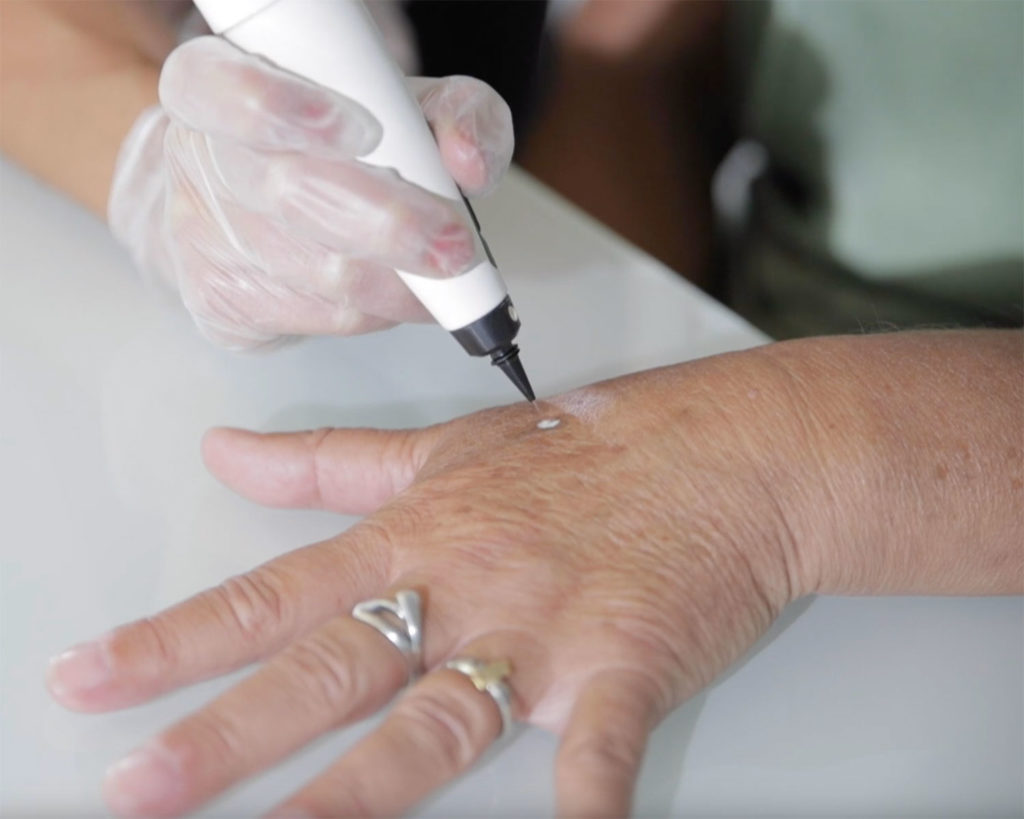
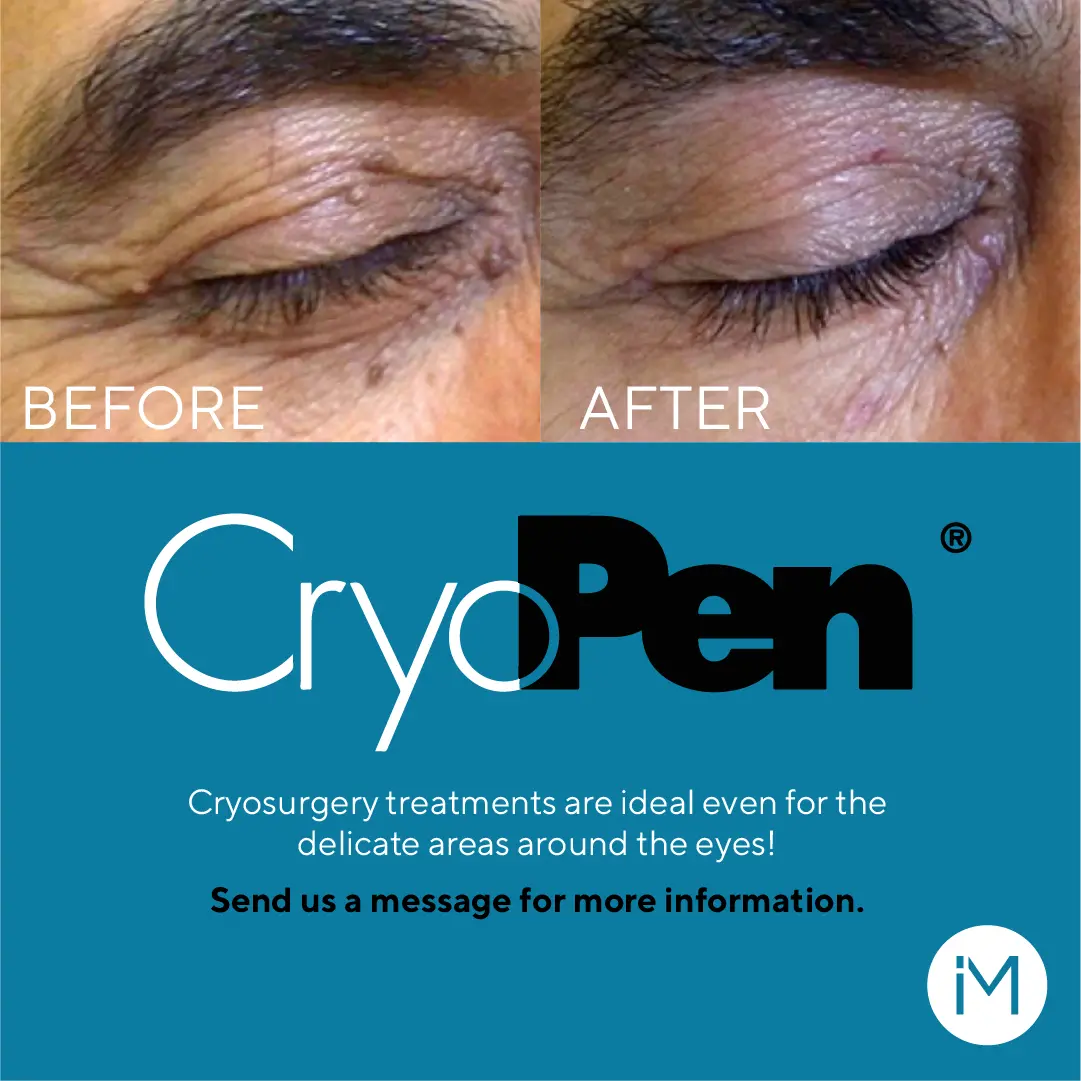
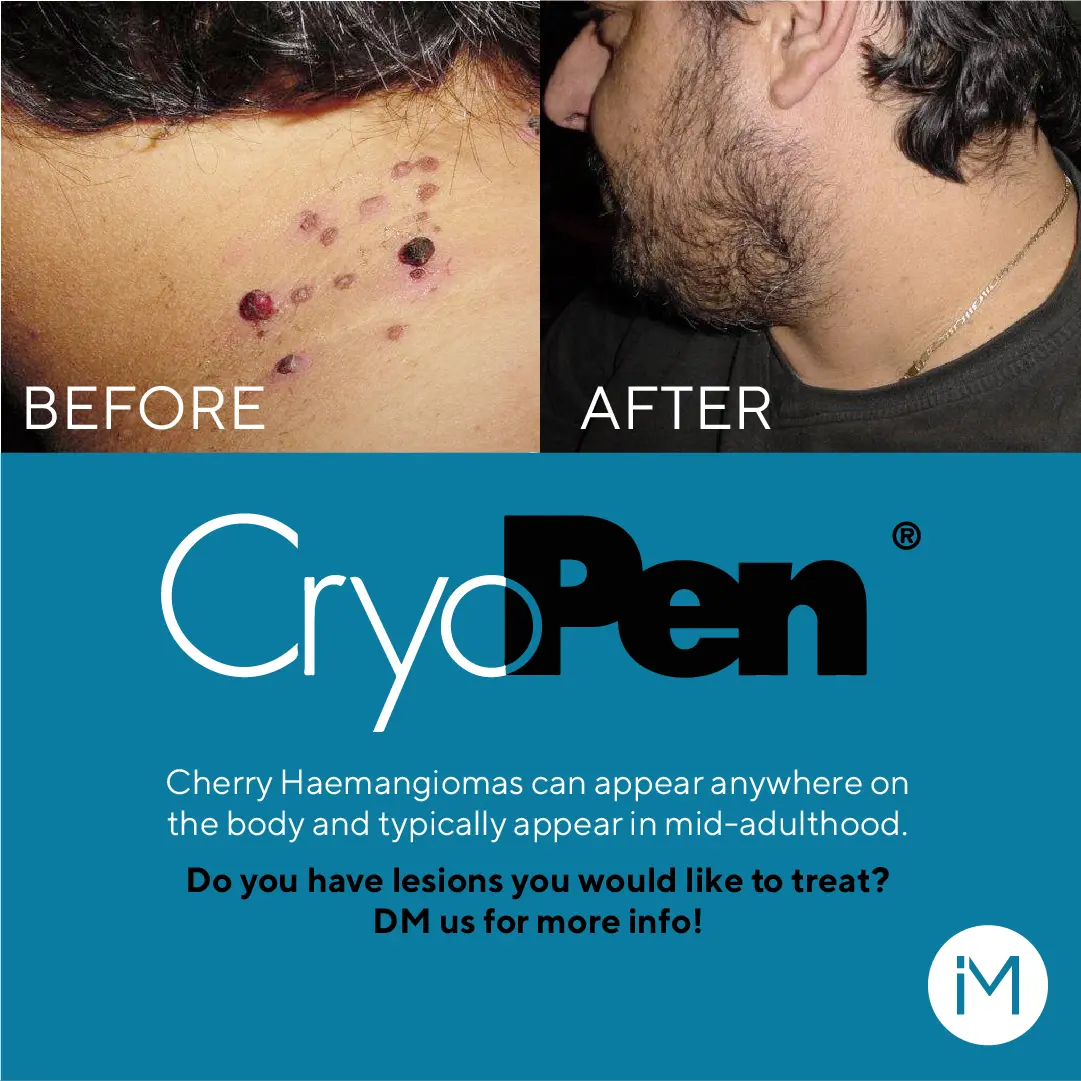
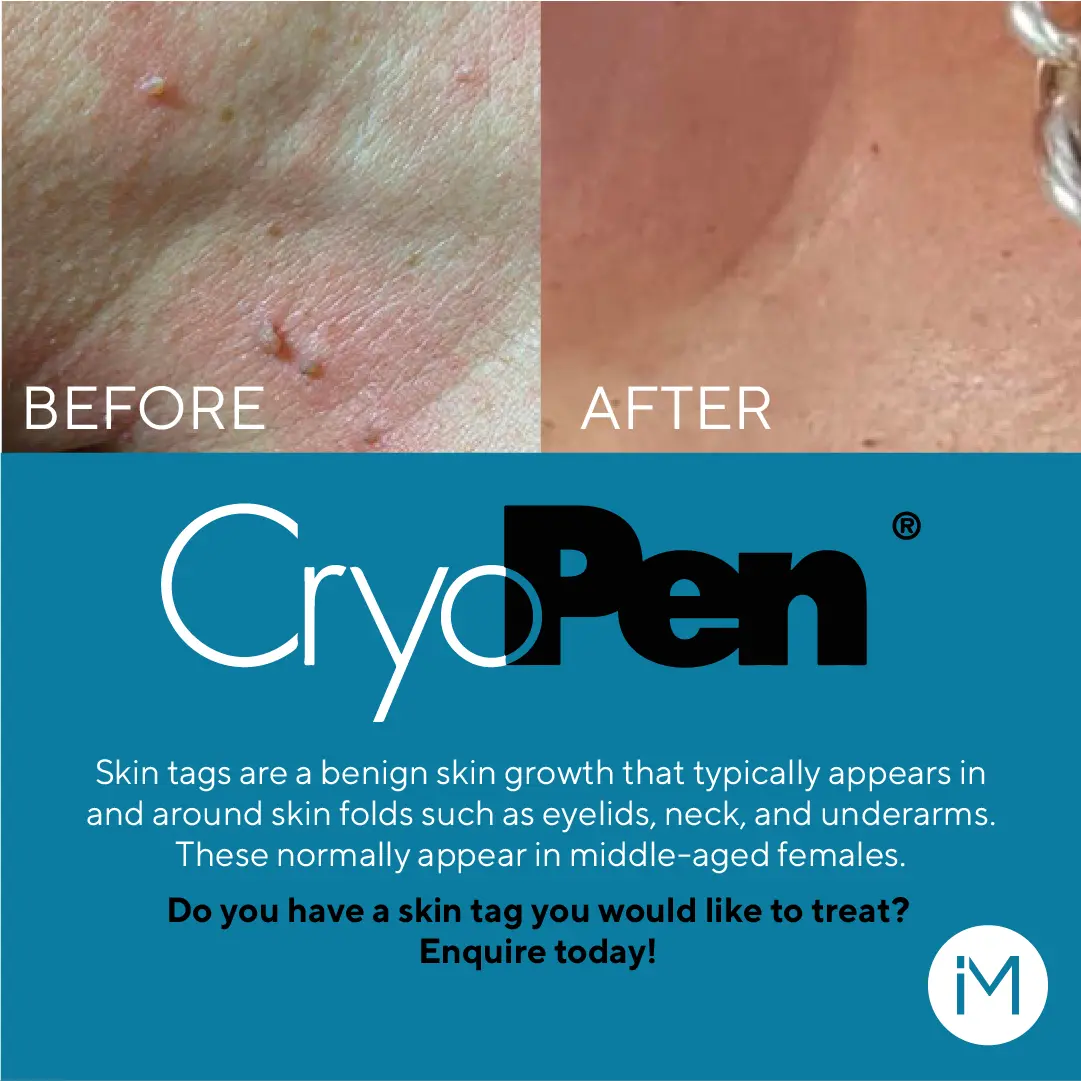
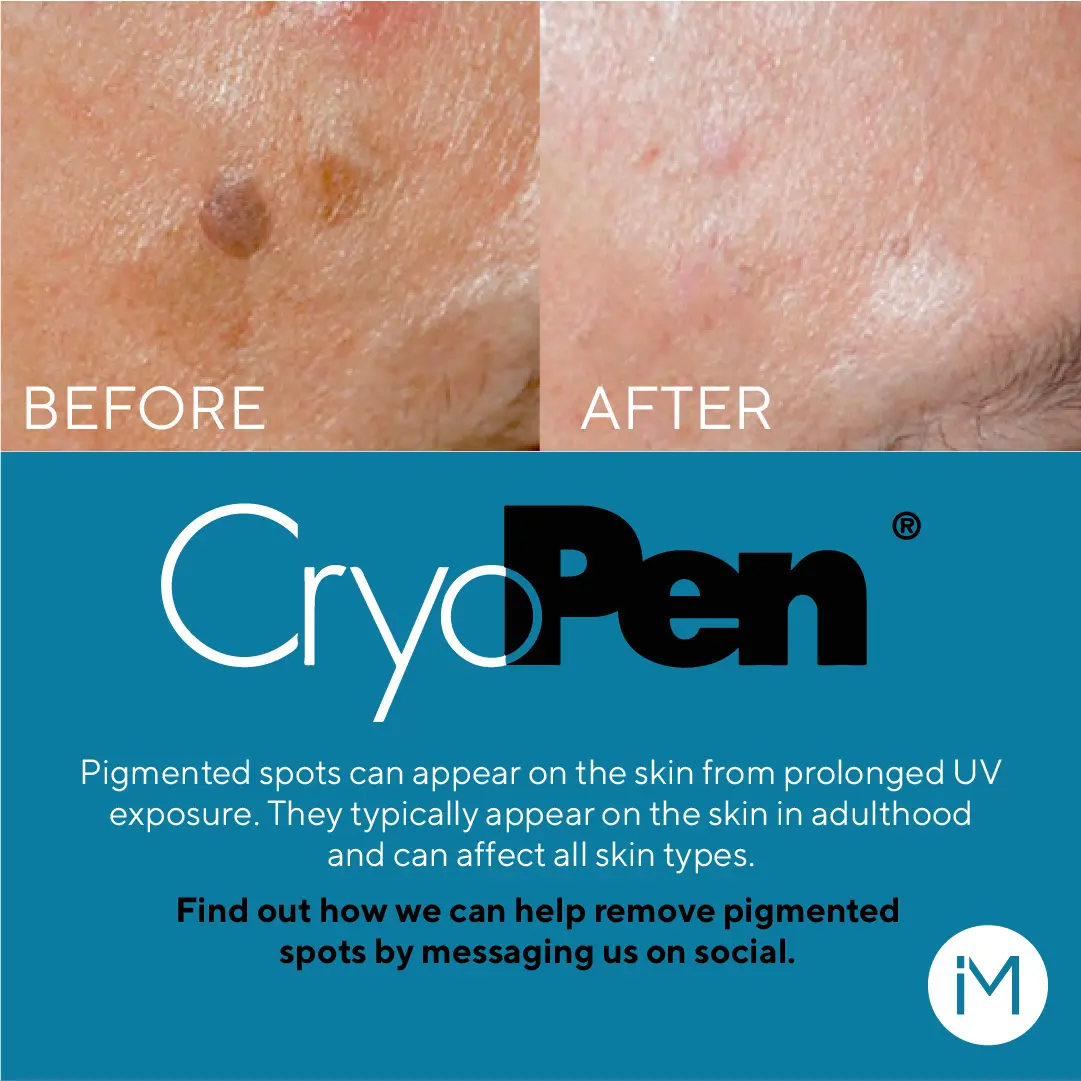
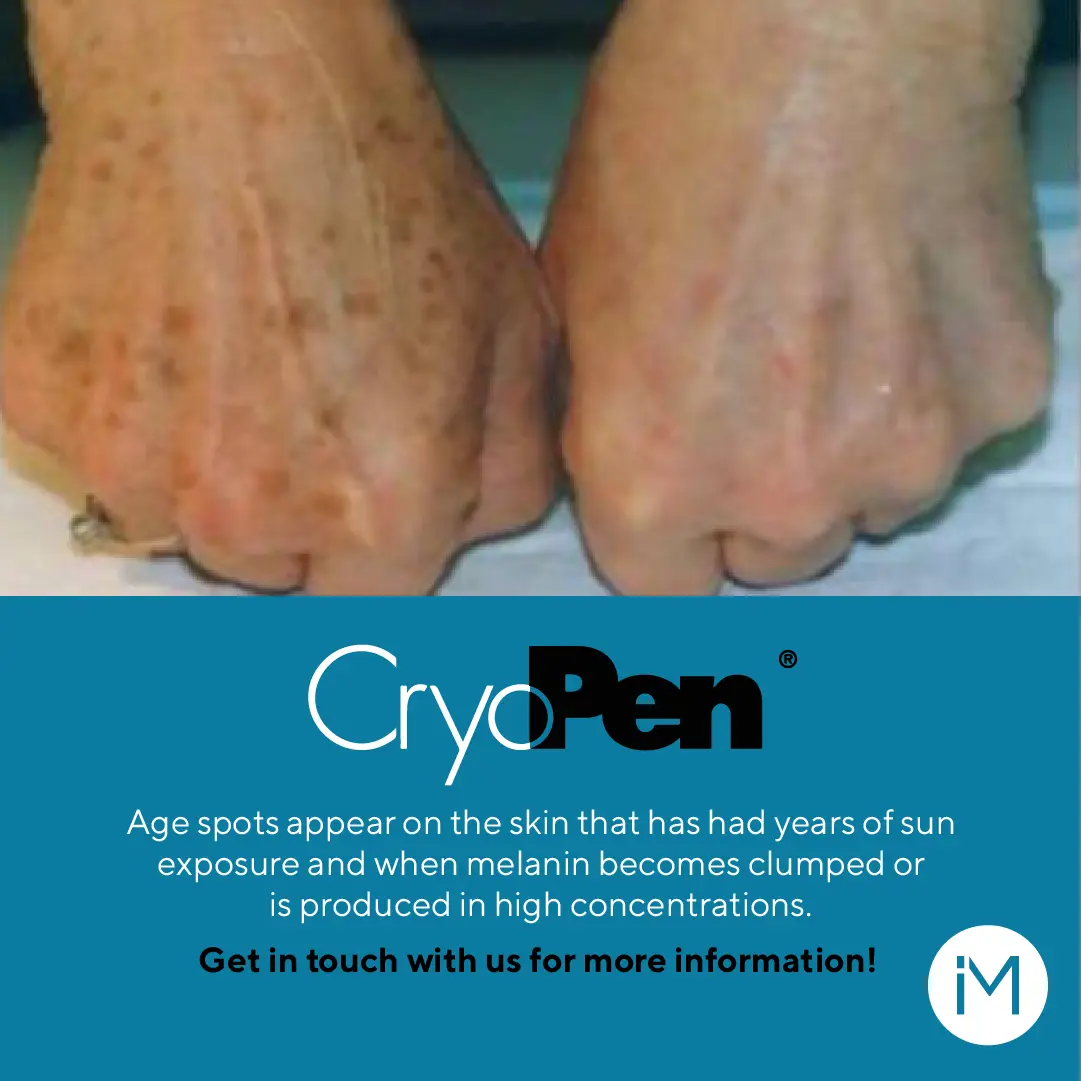
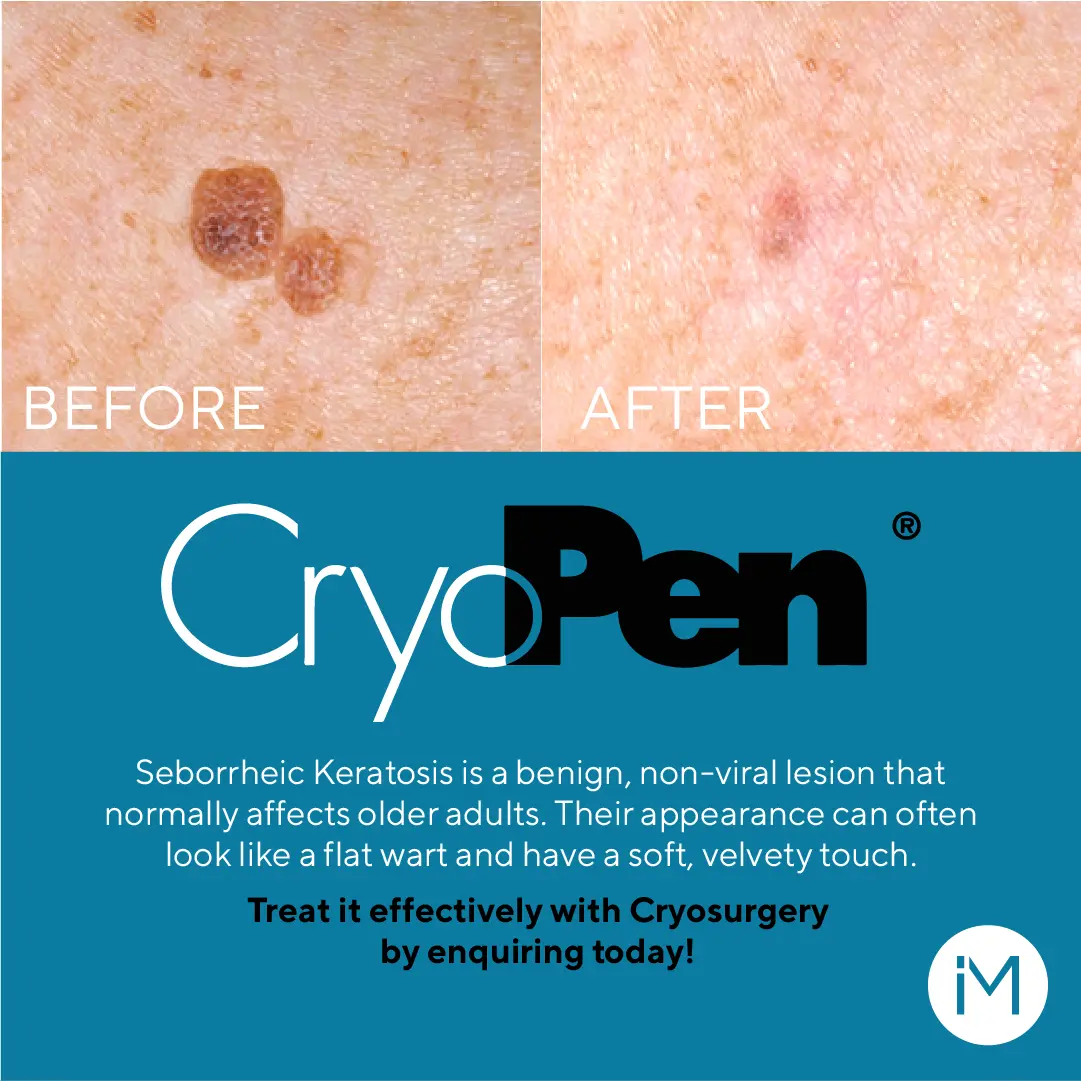
Cryosurgery is the controlled destruction of unwanted tissue by the precise application of extreme cold, using an instrument called a CryoPen™. The process is called cryo-necrosis, or tissue destruction by freezing. Rapid freezing to -27°C produces cryonecrosis in all benign human tissues, forming ice crystals. These crystals break the membranes of the targeted cells, destroying the cells’ organelles and protein matrices. Water then rushes into the surrounding area, causing blistering and disruption of the local blood supply. The surrounding skin is left unharmed.
For most types of imperfection, a single CryoPen™ treatment is sufficient to produce permanent results. In some instances — for example, a wart or verruca with deep roots — several sessions might be required. However, once the imperfection is removed, the results will be permanent.
No moles should be treated unless first approved and assessed by a medical physician. Consult with your doctor before proceeding with CryoPen™ treatment if you have:
– Impaired sensation
– Impaired circulation
– Superficial nerves
– Open wounds
– Skin cancer
– Hypersensitivity to cold
– Cardiac disease.
No anaesthesia is needed, as the extreme cold acts as a numbing agent, rendering the treatment tolerable.
At a penetration rate of 1 mm per five seconds, the nitrous oxide will reach the caudal extent (base) of the lesion after a given amount of time related to its depth. From that moment, the patient will experience a pain sensation. This may be the moment to stop treatment. This stinging may last for a few minutes after treatment and the area can be slightly itchy for about 10 minutes afterwards.
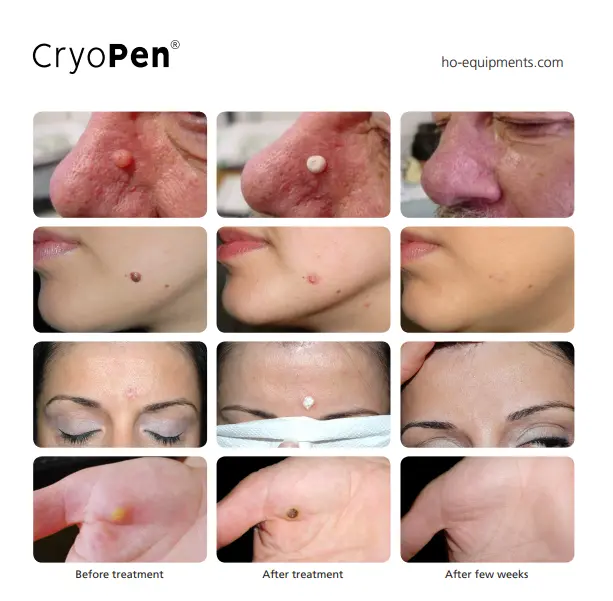
During the procedure, the area freezes and turns white. After the skin thaws, the white area will turn red. Over the next couple of days, a crust will form; this will fall off after 10-14 days and your skin will be healed, although it may appear lighter in colour or pink for the first few weeks. For larger and deeper lesions, a second crust may form, increasing your healing time. It is very important not to pick at the crust as this may lead to scarring.
Occasionally, a blister might form and persist for up to five days. After the lesion scabs over, healing time will depend on how deep the wound is, the location and the length of freeze required. Typically, healing takes 2-6 weeks.
If the blister pops, the use of an antibiotic cleaning solution is recommended. Covering the area with a bandage also promotes healing.
Follow-up appointments should be scheduled at two-week intervals to observe results, and for further sessions if required.
Cryotherapy typically leaves the least amount of scarring of any form of lesion removal, as it causes minimal damage to connective tissues.
Both hypopigmentation and hyperpigmentation may occur after cryosurgery. Both generally last a few months, but can be longer lasting. Permanent colour loss can occur in some dark skinned patients.